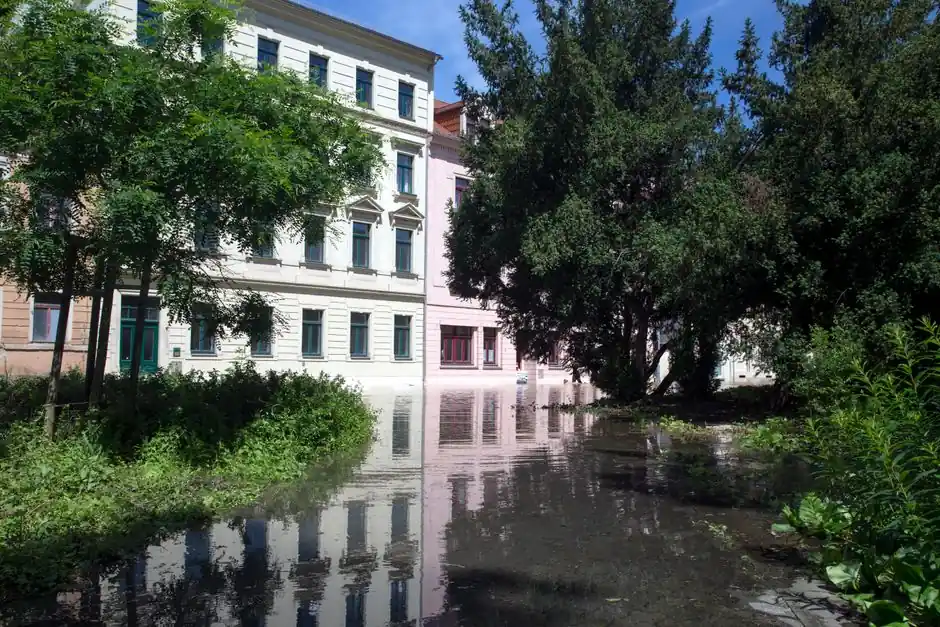
Basement flooding can be a perplexing issue for homeowners in Bellevue. Understanding the reasons behind this phenomenon is crucial for effective prevention and remediation. In this article, we will explore the common causes of basement flooding and provide actionable solutions to help you protect your home.
Common Causes of Basement Flooding
Several factors contribute to basement flooding, particularly in areas like Bellevue with its unique climate and geography. Here are some of the most common causes:
- Heavy rainfall and storms
- Poor drainage systems
- Foundation cracks
- Sump pump failures
Heavy Rainfall and Storms
One of the primary reasons for basement flooding in Bellevue is heavy rainfall and storms. Bellevue experiences a fair amount of precipitation, especially during the winter months. When the ground becomes saturated, excess water has nowhere to go but into your basement. This is particularly common in areas with clay soil, which does not absorb water well.
To mitigate this issue, consider installing a rain garden or French drain to redirect water away from your home. Regular maintenance of gutters and downspouts is also essential to ensure they are effectively channeling water away from your foundation.
Poor Drainage Systems
Another significant contributor to basement flooding is inadequate drainage systems. If your property has poor grading or if your drainage system is blocked or improperly installed, water can accumulate around your foundation. This can lead to water seeping into your basement.
Homeowners should regularly inspect their drainage systems and ensure that any debris is cleared. Installing additional drainage solutions, such as a sump pump, can also help manage water levels effectively.
Foundation Cracks
Over time, foundations can develop cracks due to settling or shifting soil. These cracks can allow water to seep into your basement, especially during heavy rains. It's vital to regularly check your foundation for any signs of damage.
Should you find any cracks, they should be repaired promptly. This can involve sealing them with hydraulic cement or hiring a professional for extensive damage. Regular inspections can prevent small issues from becoming significant problems.
Sump Pump Failures
Sump pumps are designed to remove excess water from your basement, but they can fail due to various reasons, such as power outages or mechanical failure. If your sump pump is not functioning correctly, it won't be able to handle excess water during heavy rains.
To avoid sump pump failures, ensure that your unit is regularly maintained and tested. Consider investing in a battery backup system to keep it operational during power outages. This can be particularly beneficial during stormy seasons in Bellevue.
Common Mistakes to Avoid
When dealing with basement flooding, homeowners often make mistakes that can exacerbate the problem. Here are some common pitfalls to avoid:
- Ignoring small leaks or moisture issues
- Neglecting regular maintenance of drainage systems
- Failing to install proper waterproofing measures
- Overlooking the importance of landscaping in directing water away
When to Call a Professional
If you experience persistent flooding or significant water damage, it may be time to call a professional. Experts at Water Damage Restoration Bellevue WA can assess your situation and recommend the best course of action. They can help you with everything from water extraction to mold remediation.
Frequently Asked Questions
Q: How can I prevent basement flooding?
A: Regular maintenance of gutters, downspouts, and drainage systems, along with proper landscaping, can help prevent flooding.
Q: What should I do if my basement floods?
A: First, ensure safety by turning off electricity. Then, remove any valuables and contact a professional for water extraction and damage assessment.
Q: How often should I check my sump pump?
A: It's advisable to check your sump pump at least once a year, especially before the rainy season.
Q: Can I fix foundation cracks myself?
A: Small cracks can often be sealed with hydraulic cement, but significant damage should be assessed by a professional.
Q: What are the signs of a failing sump pump?
A: Signs include unusual noises, frequent cycling, or water pooling in the sump pit. Regular testing can help identify issues early.